01 Autonomous Cost Control and Time-of-Use Sync
Smart chargers bridge the physical electrical connection with real-time software automation. Most electric utility providers offer discounted power rates during off-peak nighttime hours, dropping kilowatt-hour costs significantly compared to peak late-afternoon pricing. A smart wallbox coordinates directly with programmed utility rate tariffs, delaying high-amp draw until the exact minute rates drop, keeping monthly vehicle operating expenses at the absolute minimum without manual plugging rituals.
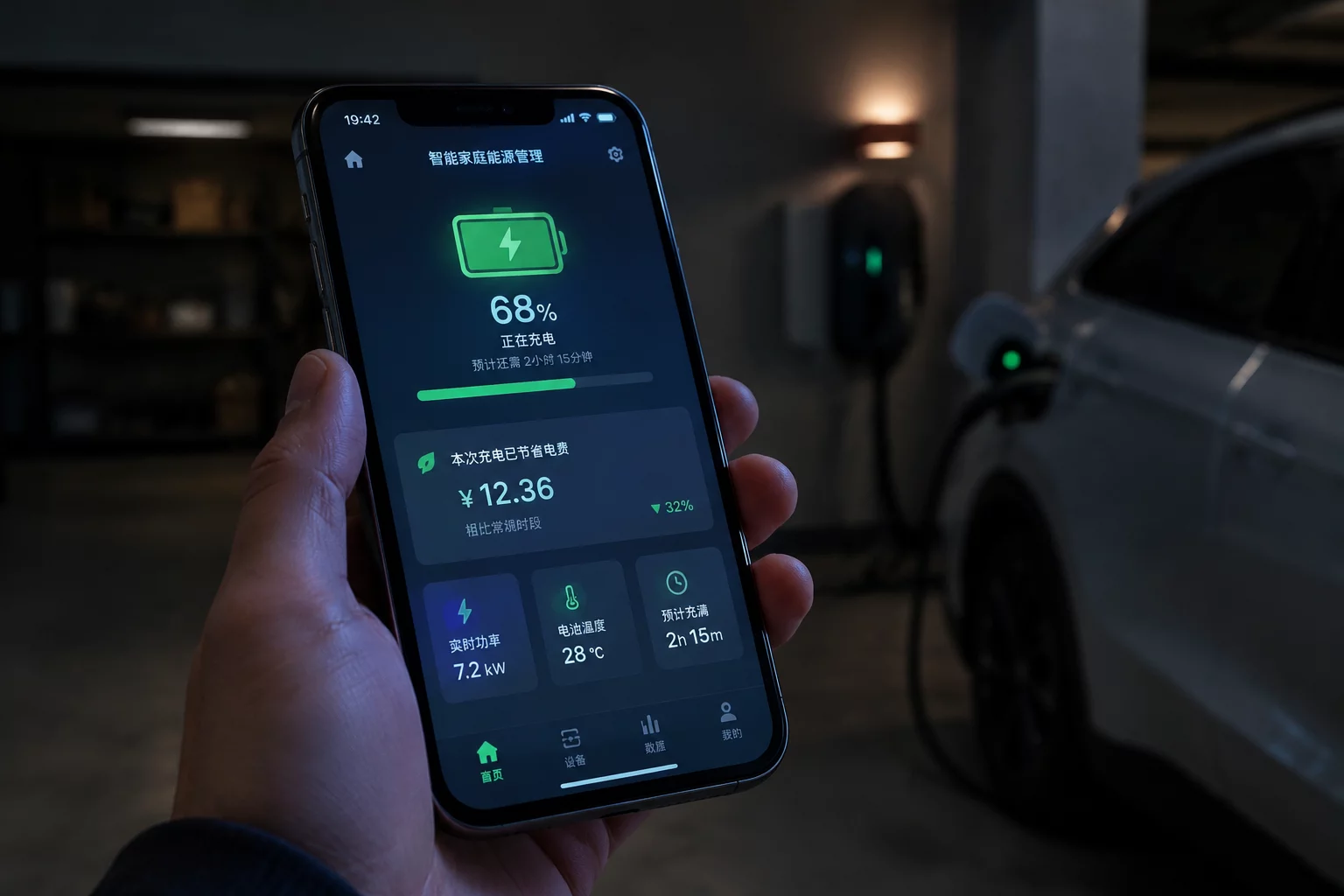
Modern smart systems log every kilowatt transferred, displaying historical charging sessions and actual dollar costs on your smartphone interface. Homeowners track seasonal energy consumption trends, isolate vehicle consumption from regular household appliance loads, and export verified expense records when company vehicle charge reimbursements apply.
02 Primary Operational Advantages
What Sets Networked Chargers Apart from Basic Plugs:
- Time-of-use automated scheduling saves up to 40% on annual vehicle fueling expenses.
- Dynamic load management throttles current automatically when major home appliances cycle on.
- Remote diagnostics and wireless firmware ensure compatibility with future automotive software updates.
03 Dynamic Load Shedding and Electrical Safety
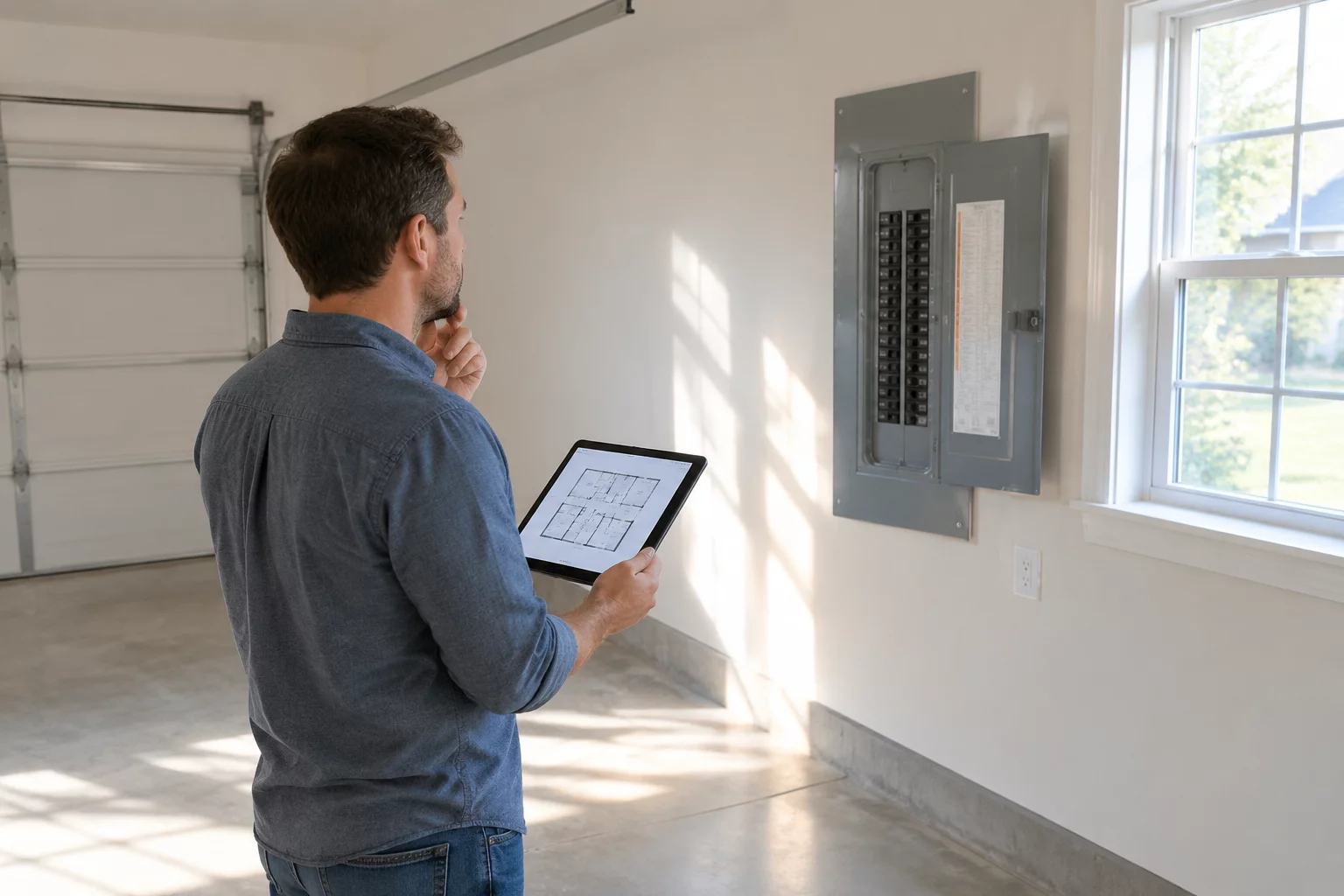
Standard Level 2 chargers pull a constant 32 to 48 amps regardless of what else is operating inside the residence. When central air conditioning, induction cooktops, or electric water heaters kick on simultaneously, older 100-amp or 150-amp electrical panels risk overloading main service breakers. Smart chargers equipped with CT current clamps monitor real-time household power consumption at the main feed, continuously adjusting vehicle amperage in milliseconds to prevent breaker trips.
This dynamic balancing capability frequently eliminates the need for expensive utility service line upgrades and heavy panel replacements. By modulating power dynamically, a smart charger lets homeowners add rapid overnight charging safely within their existing main breaker envelope, lowering installation capital costs and preserving home electrical safety.
04 Technical Specifications & Real-World Metrics
-
1
Sub-Second Current Throttling Response Dynamic load sensors evaluate total household amperage draw up to 50 times per second, dropping EV charging rates immediately when heavy residential loads start up.
-
2
Automated Solar Surplus Capture Units connected with rooftop solar invertors track excess generation in real time, routing surplus green kilowatt-hours directly into the battery pack rather than backfeeding the grid at low feed-in compensation.
-
3
Remote Thermal and Overcurrent Telemetry Integrated temperature sensors inside the wallbox and handle connector monitor resistance, shutting down the circuit immediately if terminal temperatures exceed standard operating parameters.