01 Electrical Panel Inspection and Service Headroom
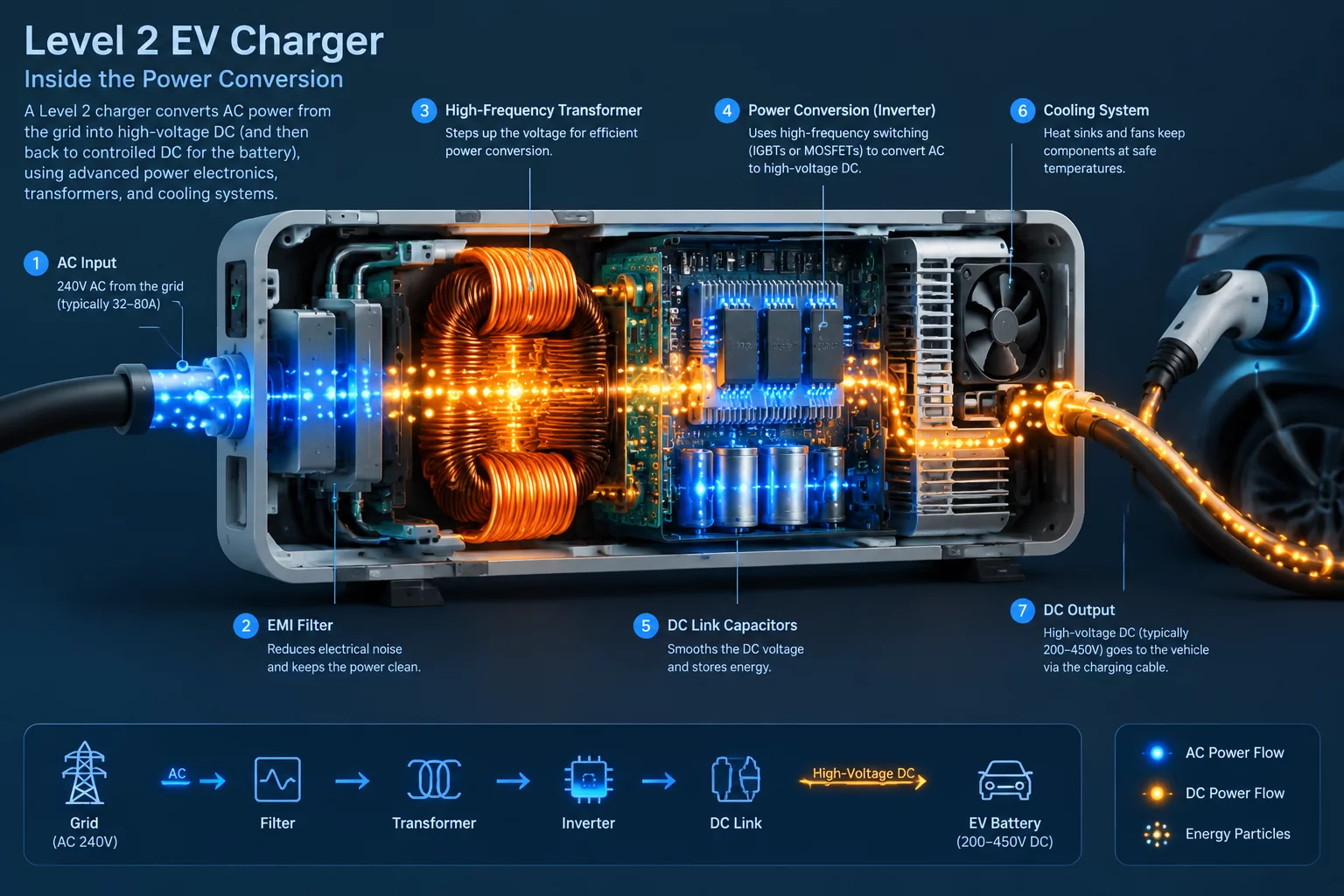
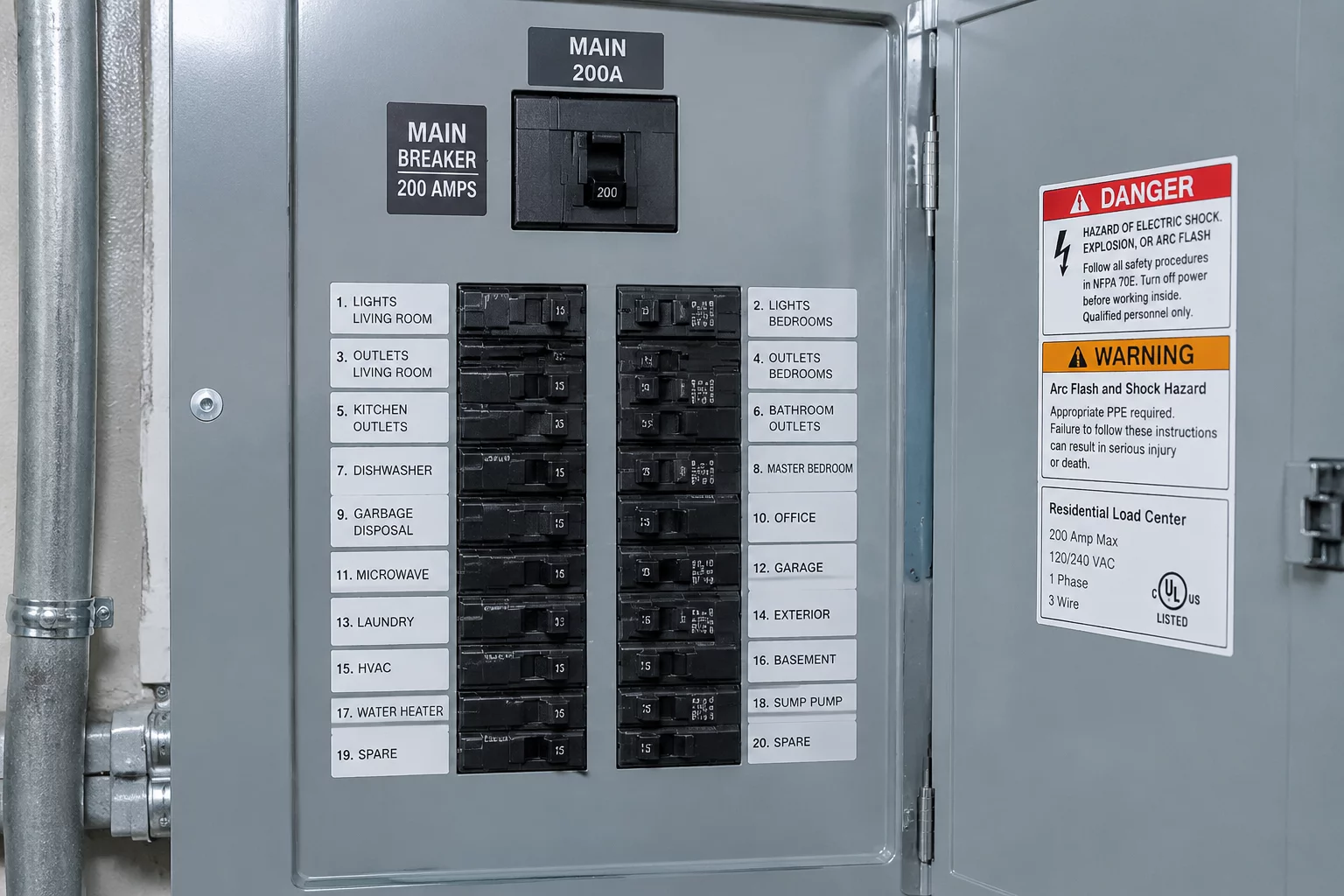
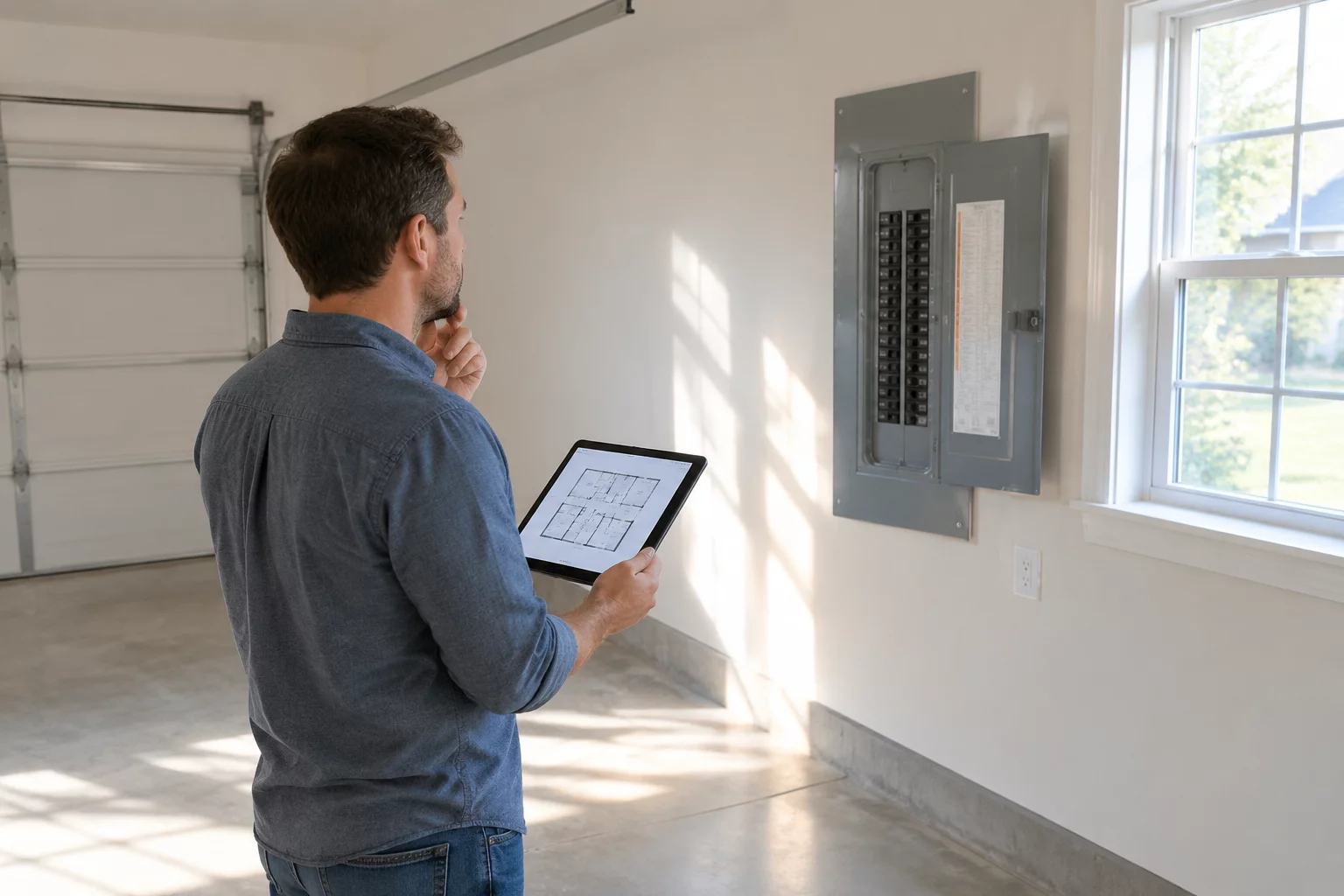
Connecting an electric vehicle introduces a substantial continuous electrical load into your residential wiring. A dedicated Level 2 wall charger requires between 32 and 48 amperes of continuous current across a 240-volt supply. Before purchasing hardware, inspect your main service panel to discover whether your home operates on 100-amp, 150-amp, or 200-amp capacity. Many homes built before 1990 feature 100-amp panels that lack adequate buffer when air conditioners, dryers, or water heaters operate simultaneously.
Performing a residential load calculation under National Electrical Code standards confirms whether your existing panel safely absorbs this new demand. Modern residences with 200-amp panels usually accommodate a dedicated dual-pole breaker without issue. Homes nearing total capacity can implement dynamic energy management controllers or schedule an upgrade to a 200-amp main service panel before connecting high-output chargers.
02 Essential Preparation Checklist
Critical Milestones Prior to Charger Installation
- Verify existing main panel service rating and ensure two contiguous vacant slots remain for a double-pole 240V breaker.
- Measure the distance from the breaker panel to your chosen parking stall to determine required conduit run length and voltage drop.
- Choose between a hardwired connection for maximum 48A charging speed or a standard NEMA 14-50 receptacle for plug-in versatility.
03 Dedicated Circuit Wiring, Amperage Ratings, and Permits
Continuous electrical loads require a safety buffer of 125 percent under the National Electrical Code. A 32-amp charger mandates a 40-amp circuit breaker with 8 AWG copper conductors, while a 48-amp charging station demands a 60-amp circuit wired with heavy 6 AWG copper. Selecting the correct gauge guarantees wire temperatures stay well within safe margins throughout lengthy overnight charging cycles.
Local building departments require electrical permits before installing new high-voltage circuits in garages or exterior driveways. Licensed electricians pull these permits, mount protective conduit, balance panel phase loads, and schedule formal municipal inspections. This official sign-off guarantees code compliance, keeps your homeowner insurance coverage valid, and certifies full operational safety.
04 Key Technical Specifications for Home EV Readiness
-
1
The 80% Continuous Duty Threshold National safety codes mandate that EV charging draws must not exceed 80% of total circuit ampacity during sustained continuous use.
-
2
25 to 35 Miles of Range Added Per Hour A standard 240V Level 2 setup delivering 7.7 kW to 11.5 kW fully replenishes typical commuter batteries in 5 to 8 hours overnight.
-
3
Hardwired Safety Advantages Direct conduit hardwiring delivers weather-sealed reliability, supports higher continuous amperage, and avoids nuisance GFCI breaker trips.