 2026-09-15
Level 2 Setup•Residential
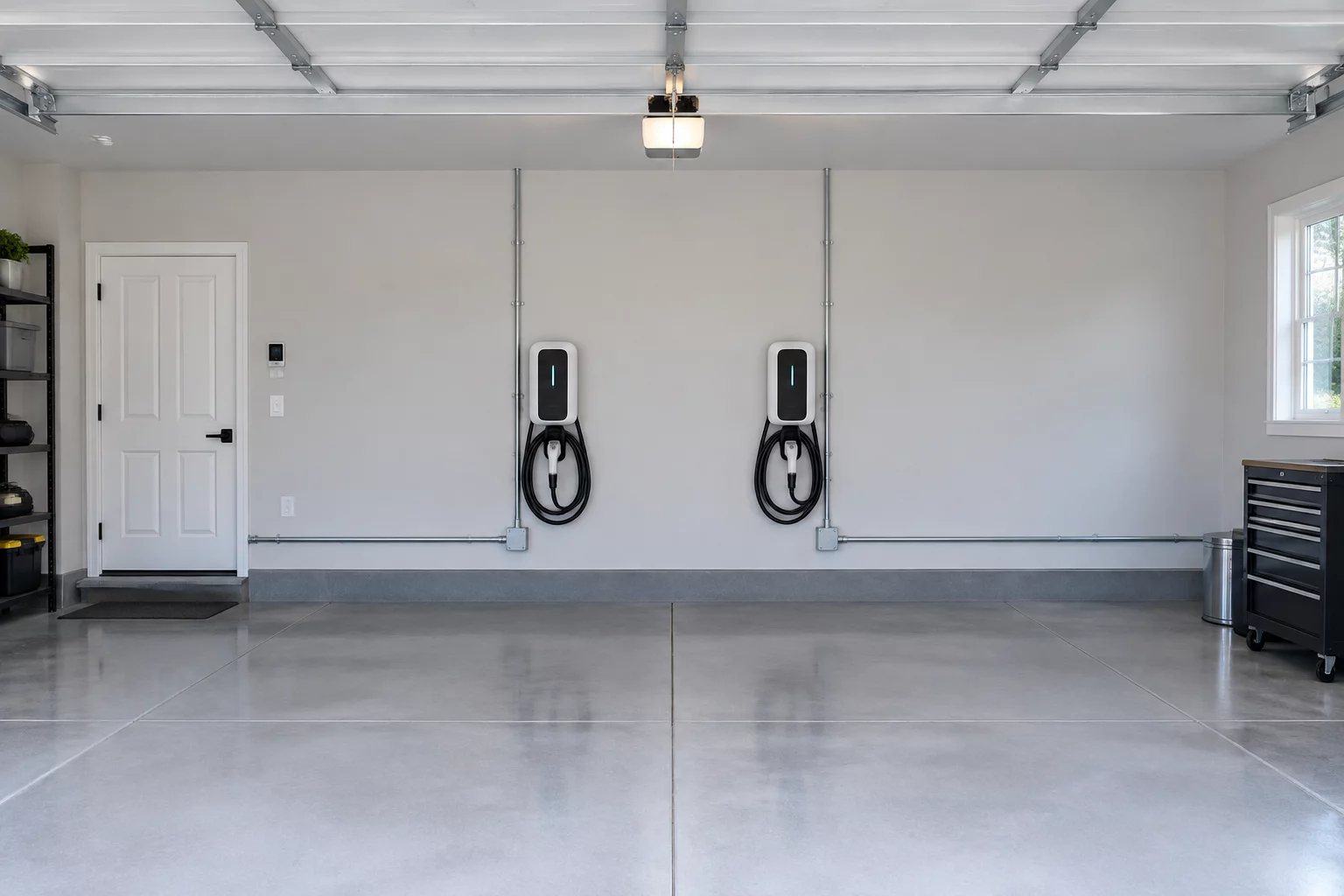
Suburban Home Dual Charger
Dual high-amperage charging units wired with clean surface conduit for simultaneous overnight power delivery.
Upgrade your residential garage or driveway with dedicated Level 2 circuitry, safety-tested distribution panels, and high-speed home charging setups engineered for every modern vehicle.
Provide your residential setup details for an accurate equipment and installation plan.
Quantify the cumulative hours, thermal electricity loss, and public station surcharges drained each year by relying on portable cords or detour trips.
Values reflect average residential Level 2 efficiency (92-95%) versus commercial station markups and Level 1 conversion losses.
Equivalent to 19 full workdays spent waiting at plugs or running extension lines.
Out-of-pocket commercial markup paid instead of cheap overnight residential rates.
Thermal resistance loss caused by low-voltage onboard continuous conversion.
Mornings per year starting below target range due to slow trickle overnight rates.
A dedicated 240V 48A wall circuit provides complete overnight replenishment in 4 to 7 hours, capturing lowest off-peak utility tariffs right in your garage.
Every residential charger project follows four verified phases. You inspect and approve key deliverables before our licensed technicians proceed to the next stage.
Main service load assessment, panel capacity verification, and optimum conduit route mapping.
Submitting municipal electrical diagrams and scheduling official city inspections in advance.
Installing heavy-gauge copper conductors, secure EMT conduits, and a dedicated 240V breaker.
Digital multimeter load checks, EV handshake pairing test, and app configuration walkthrough.
Select a stage to view verified deliverables and acceptance criteria.
Total residential ampere load, main service busbar rating, grounding rod continuity, and shortest path through garage joists.
An official load calculation document and an exact pathway mockup with fixed hardware placement recommendations.
Written agreement on charger unit height, cable length reach, and conduit layout before any drilling or wall work begins.
Certified Pricing
Transparent residential installation plans executed by licensed electrical specialists with complete code compliance.
Ideal for overnight residential charging with existing garage electrical capacity.
Fastest home charging rate engineered for heavy daily commuting and large battery EVs.
Designed for homes with complex electrical panels needing smart load management.
Every residential charging station is sized, wired, and verified exclusively by licensed master technicians.
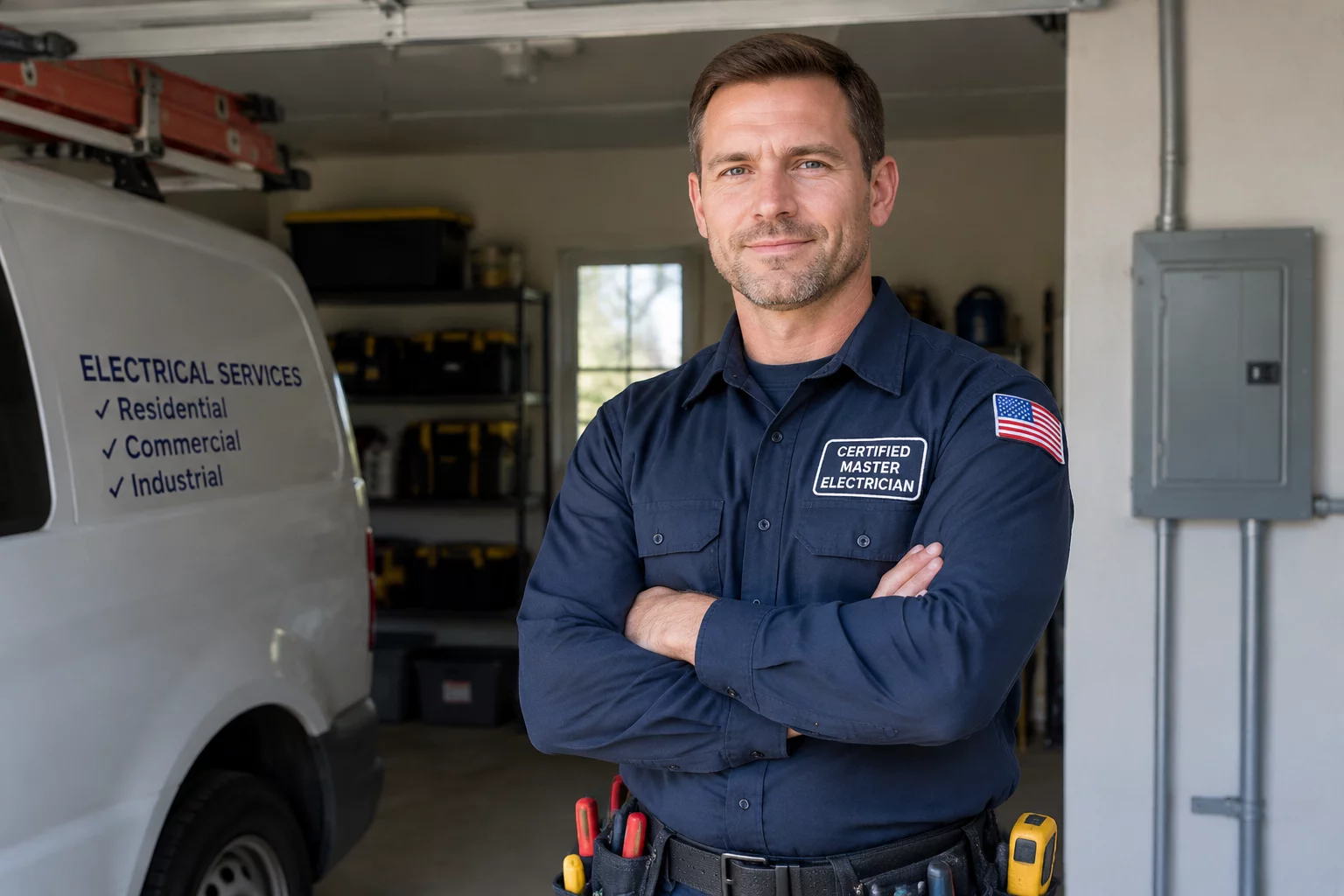
Master Electrician & Infrastructure Lead
14+ years managing high-voltage residential feeds and 200A main service upgrades.

Residential Systems Engineer
9+ years specializing in dynamic energy distribution and smart home charging telemetry.
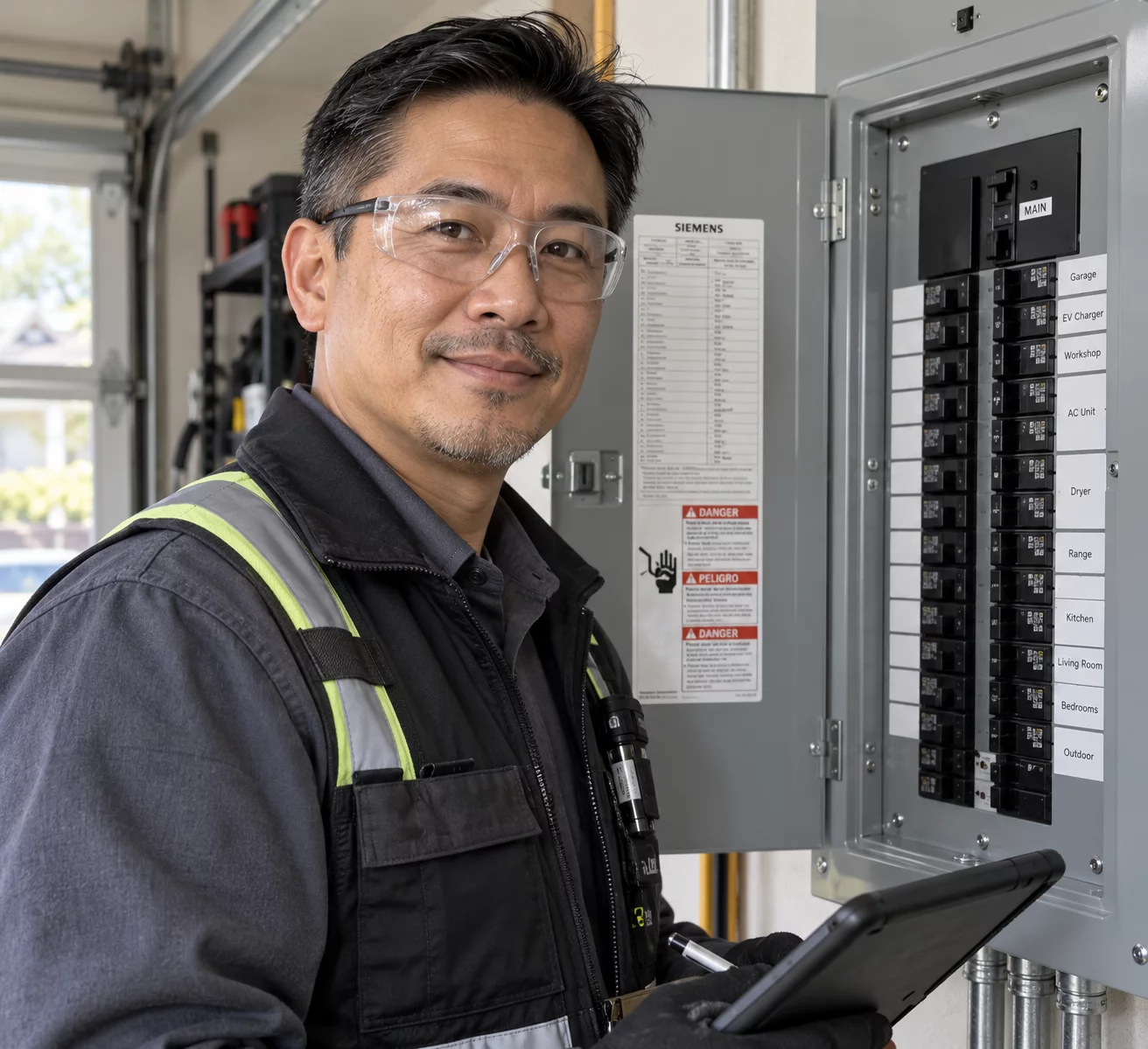
Safety Compliance & Inspection Lead
12+ years conducting municipal NEC sign-offs and dual-charger grounding audits.
Installing a dedicated residential high-voltage charging unit requires certified technical precision. Use these vetted questions to assess any electrical contractor before signing a service agreement.
General handymen are not legally authorized to install 240V high-amperage dedicated circuits. Inexperienced wiring introduces severe fire hazards and risks voiding vehicle component protection.
A 48-amp EV charger demands continuous power drawn over multiple hours. Simply having an open slot in the distribution panel does not ensure adequate main service headroom.
Legitimate EV charging branch additions require city or regional building permits. Unpermitted electrical additions can cause insurance claim denials in the event of property damage.
Hardwired units allow faster charging speeds up to 48A and eliminate GFCI breaker nuisance tripping required by code on 14-50 garage outlets.
Electric vehicle on-board chargers contain sensitive micro-inverters. Grid transient spikes can easily damage both the vehicle and charging station without dedicated surge mitigation.
Undersized aluminum wiring or exposed Romex subject to mechanical wear compromises system safety and causes resistive heat buildup during extended charging sessions.
Explore comprehensive electrical requirements, permits, and professional installation procedures in our knowledge base.
Precision electrical planning, dedicated branch circuits, and safe power management tailored specifically for home charging equipment.
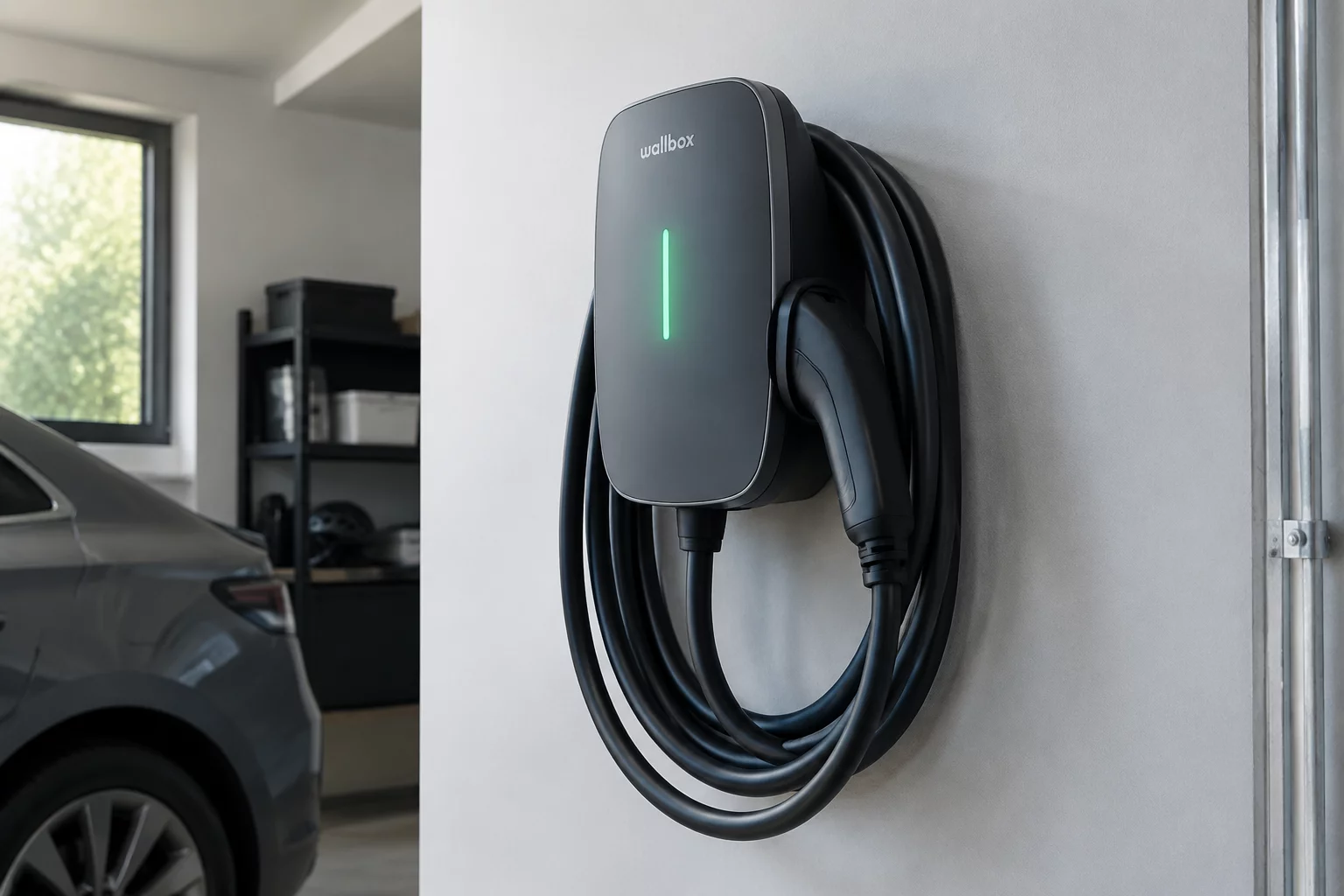
Premium domestic wallbox units configured for maximum power delivery, complete with safe anchor mounting.
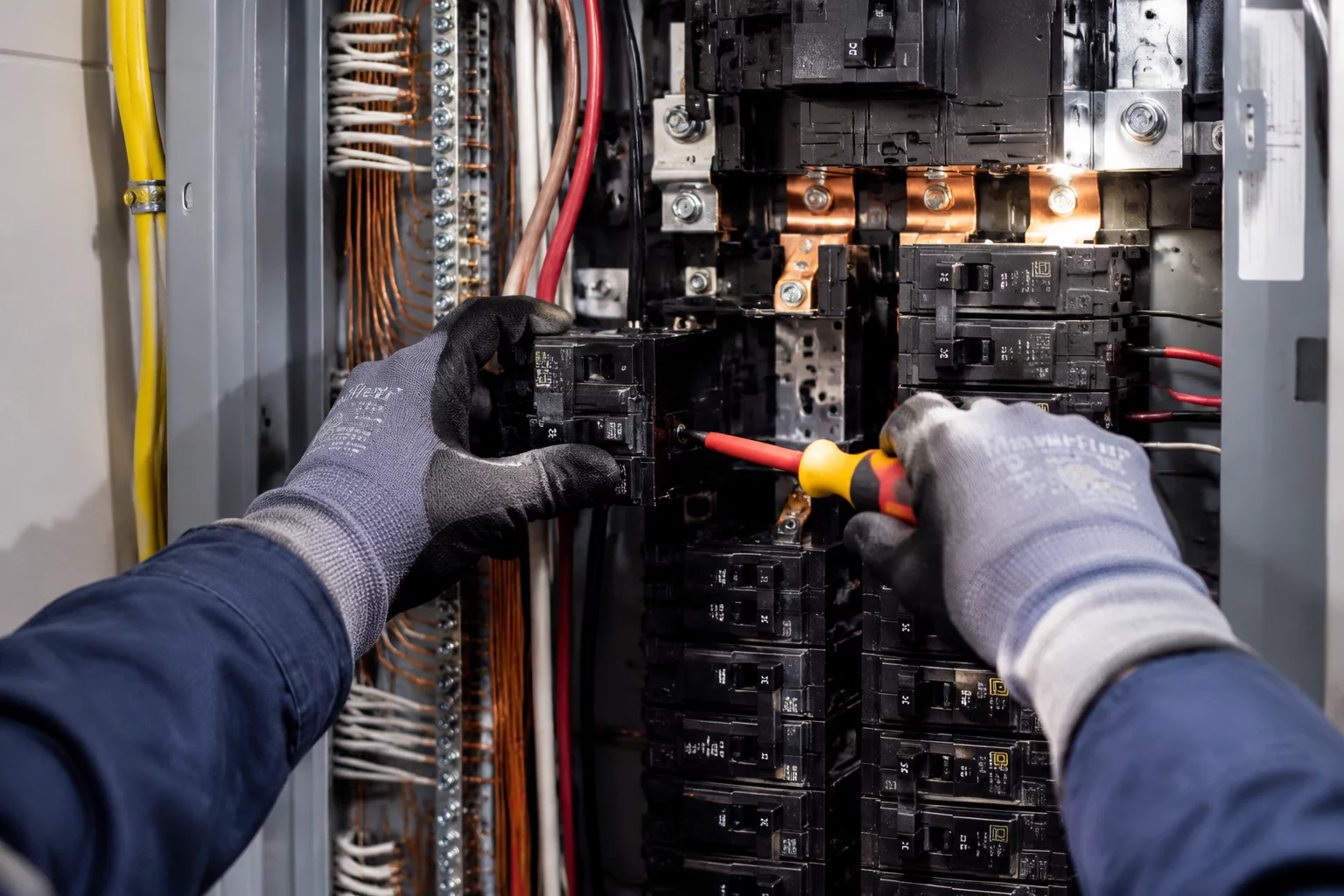
Direct breaker line installations built to isolate high current draw and protect all household electronics.
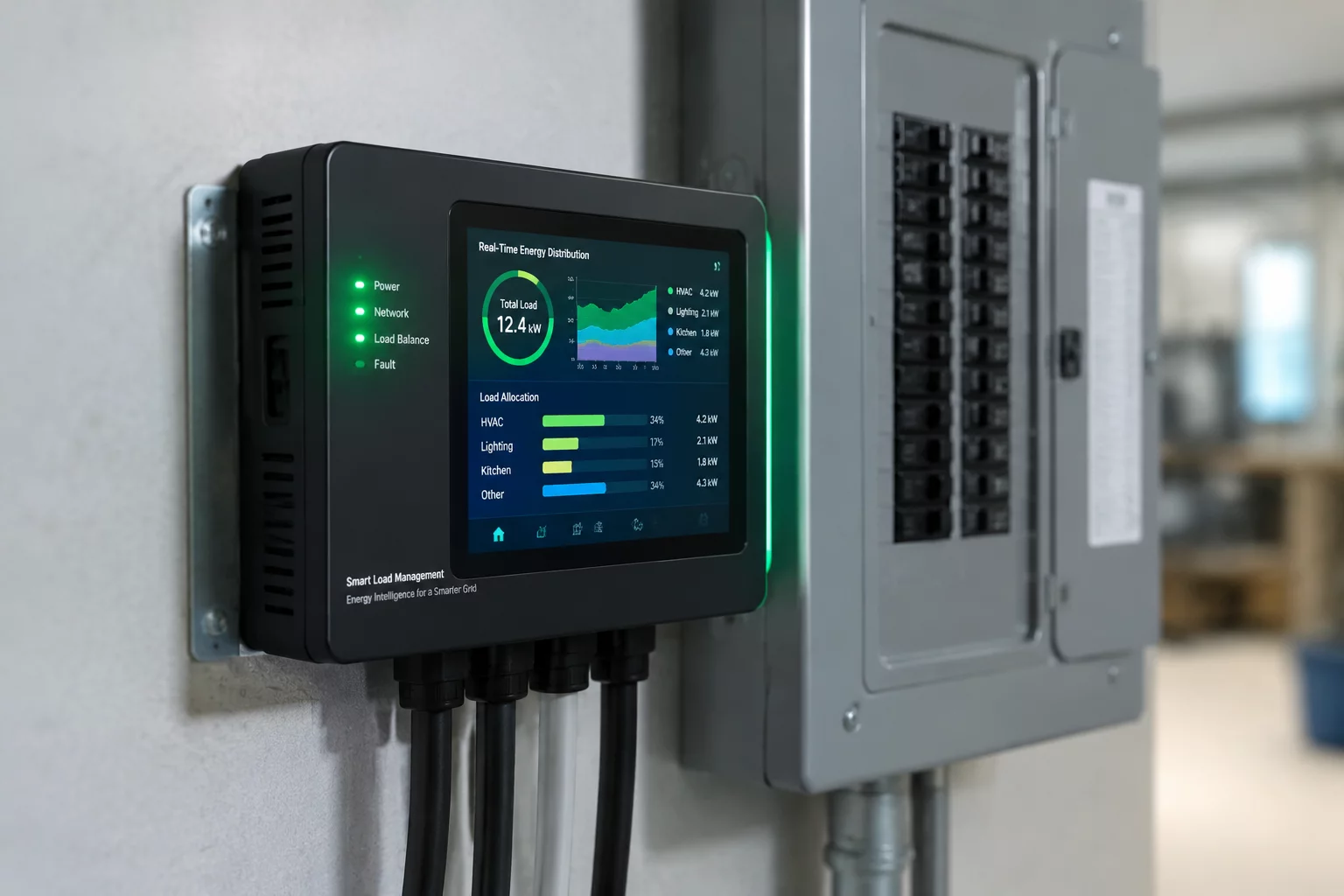
Intelligent current sensors that actively regulate charger draw and eliminate main panel overloads.
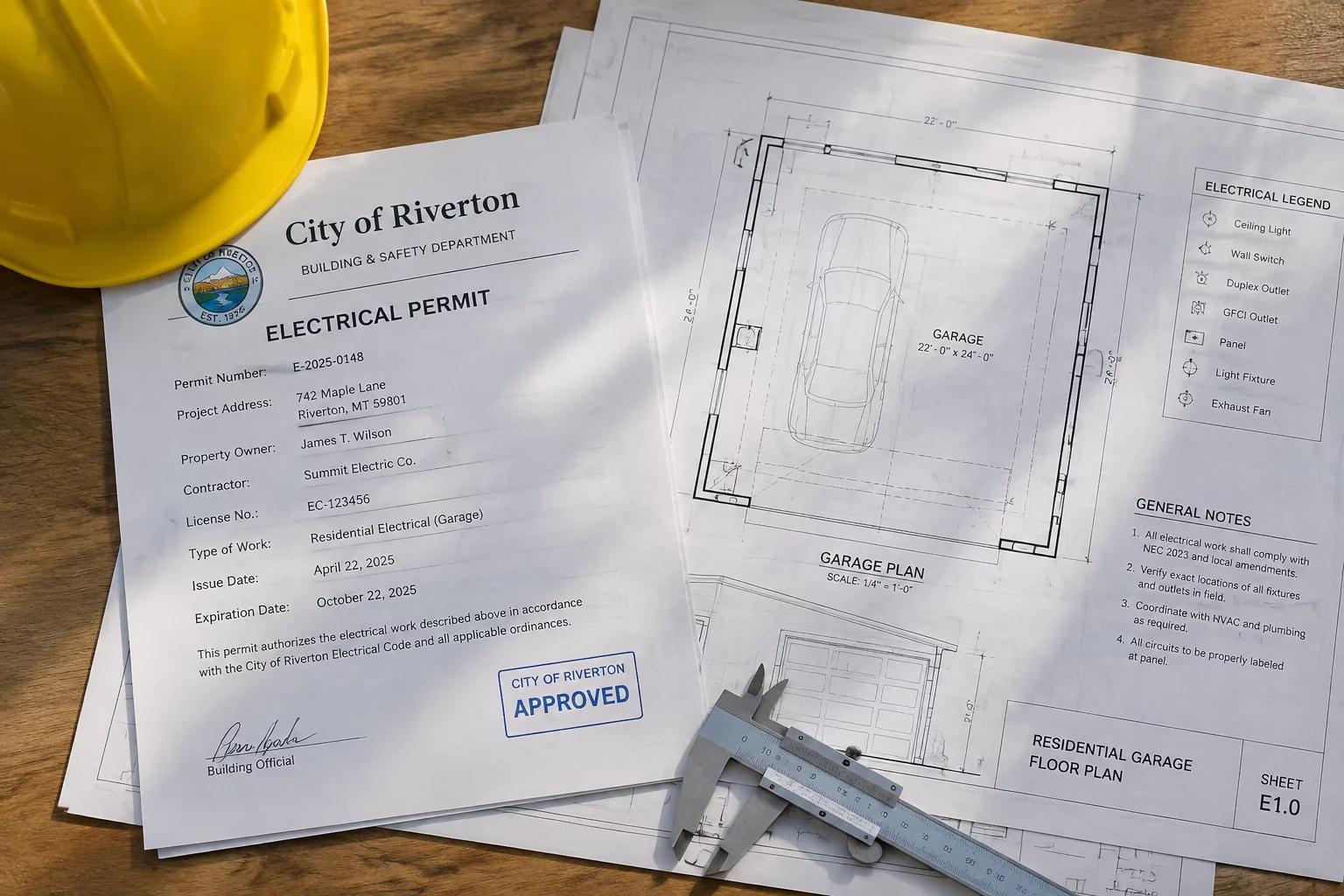
Complete jurisdictional documentation filing, municipal safety code review, and final utility sign-off.
Explore real residential installations completed by our certified electrical specialists, delivering clean aesthetics and peak charging efficiency.
2026-09-15Dual high-amperage charging units wired with clean surface conduit for simultaneous overnight power delivery.
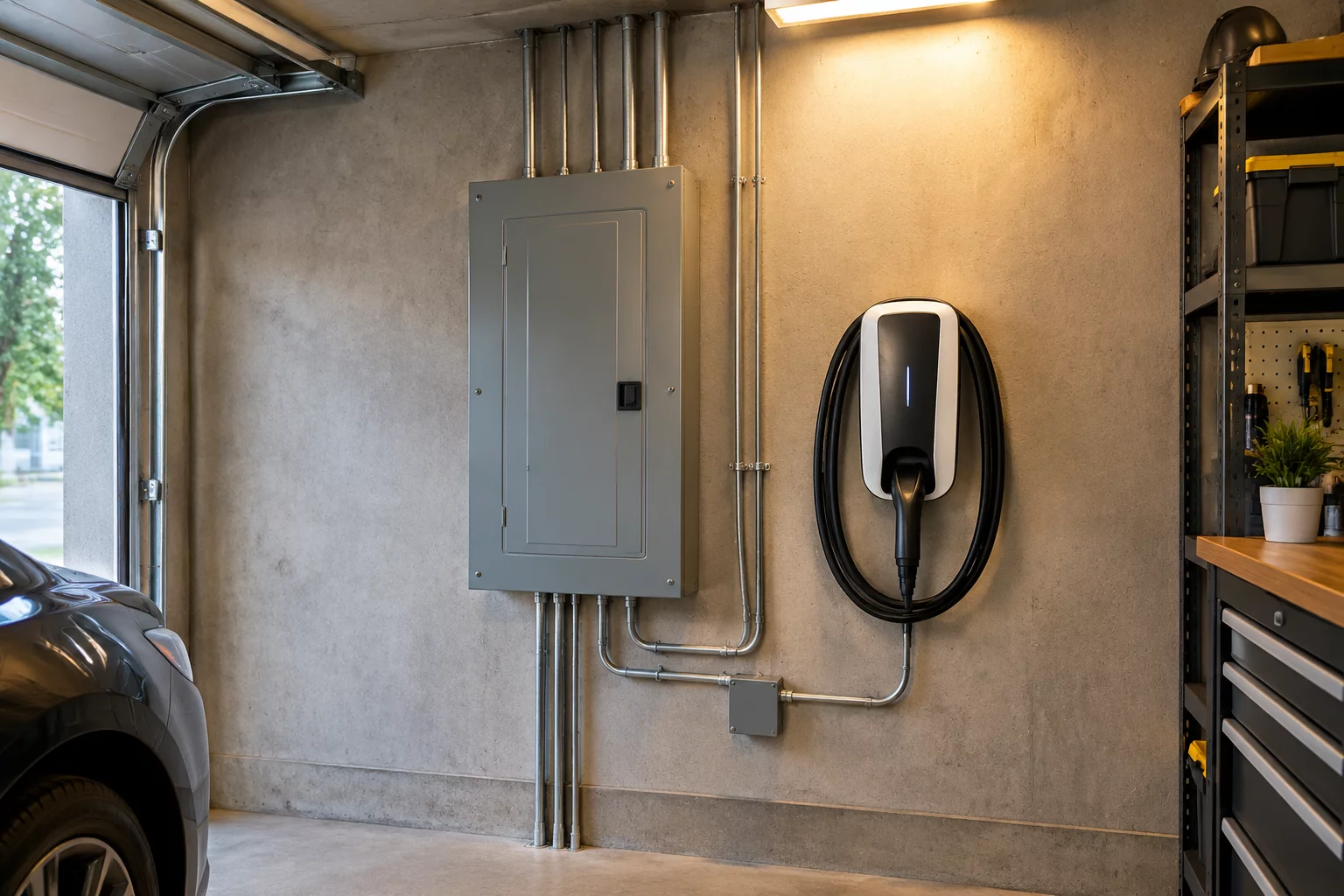 2026-09-22
Main breaker panel expansion providing a clean dedicated 60-amp circuit within compact residential footprint.
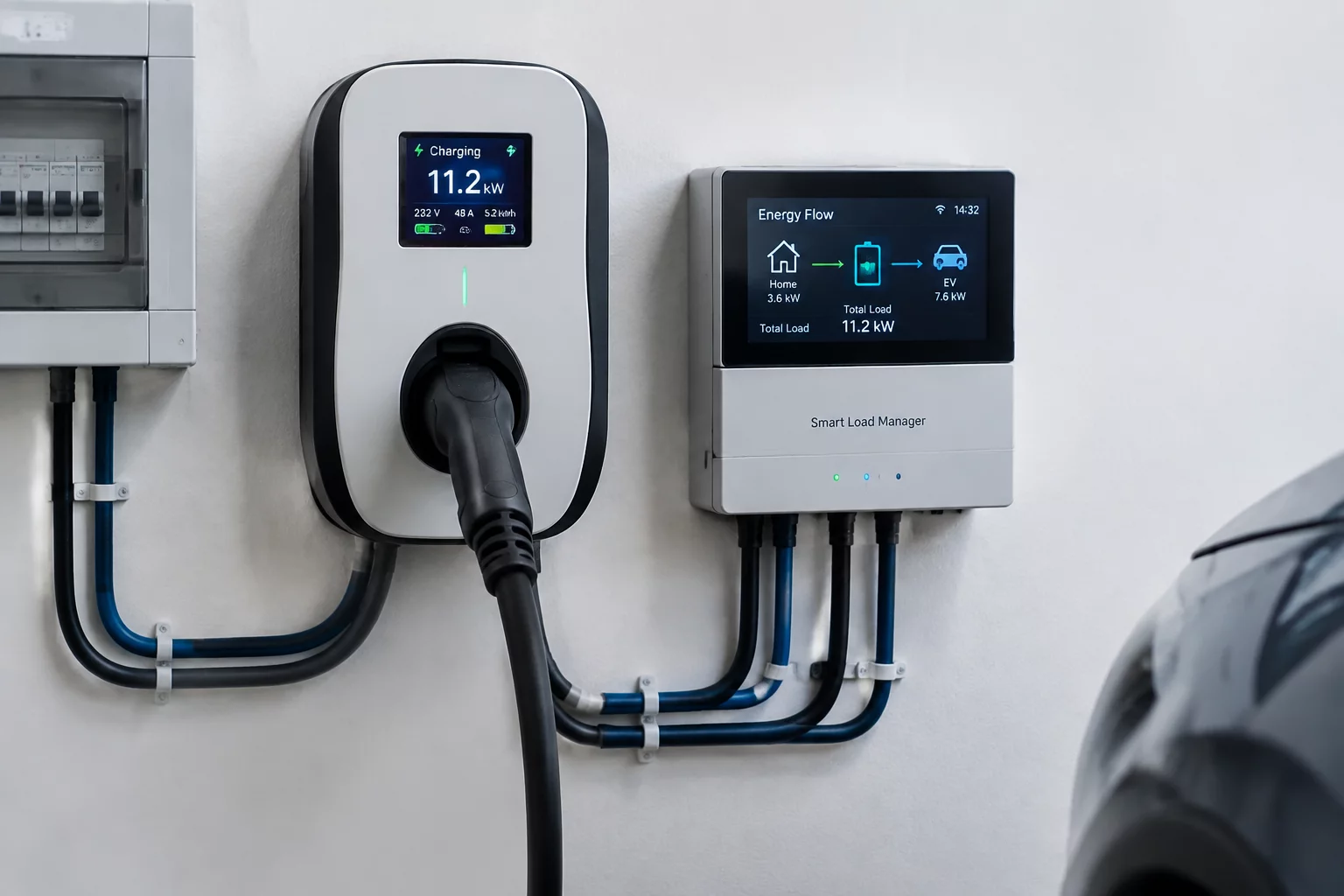 2026-10-01
Intelligent real-time energy monitoring preventing panel overload while prioritizing optimal charge cycles.
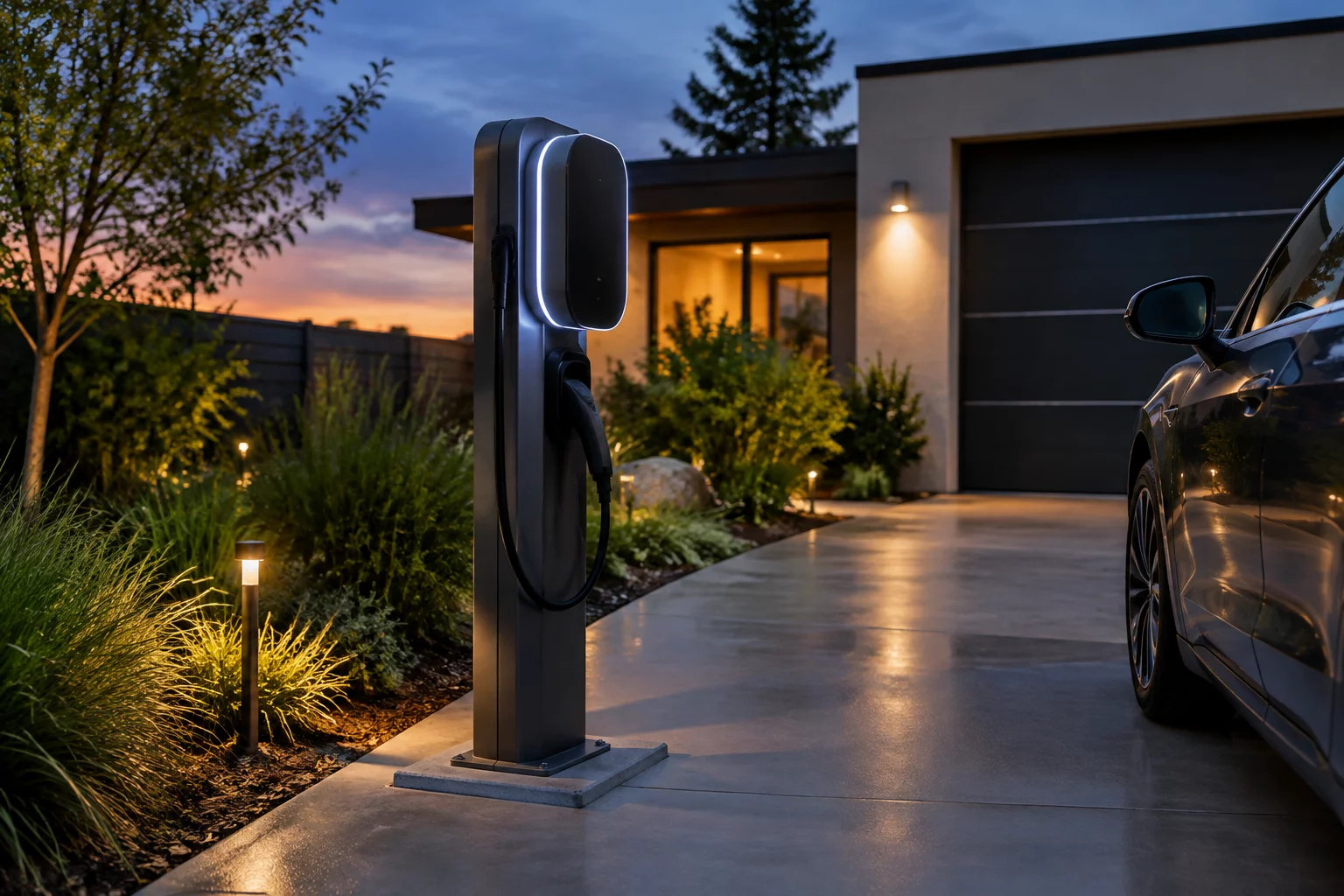 2026-10-05
All-weather exterior charging station anchored directly to concrete with underground protected wiring conduit.
Explore expert guides on residential EV charger selection, home electrical requirements, and safe Level 2 charging practices.
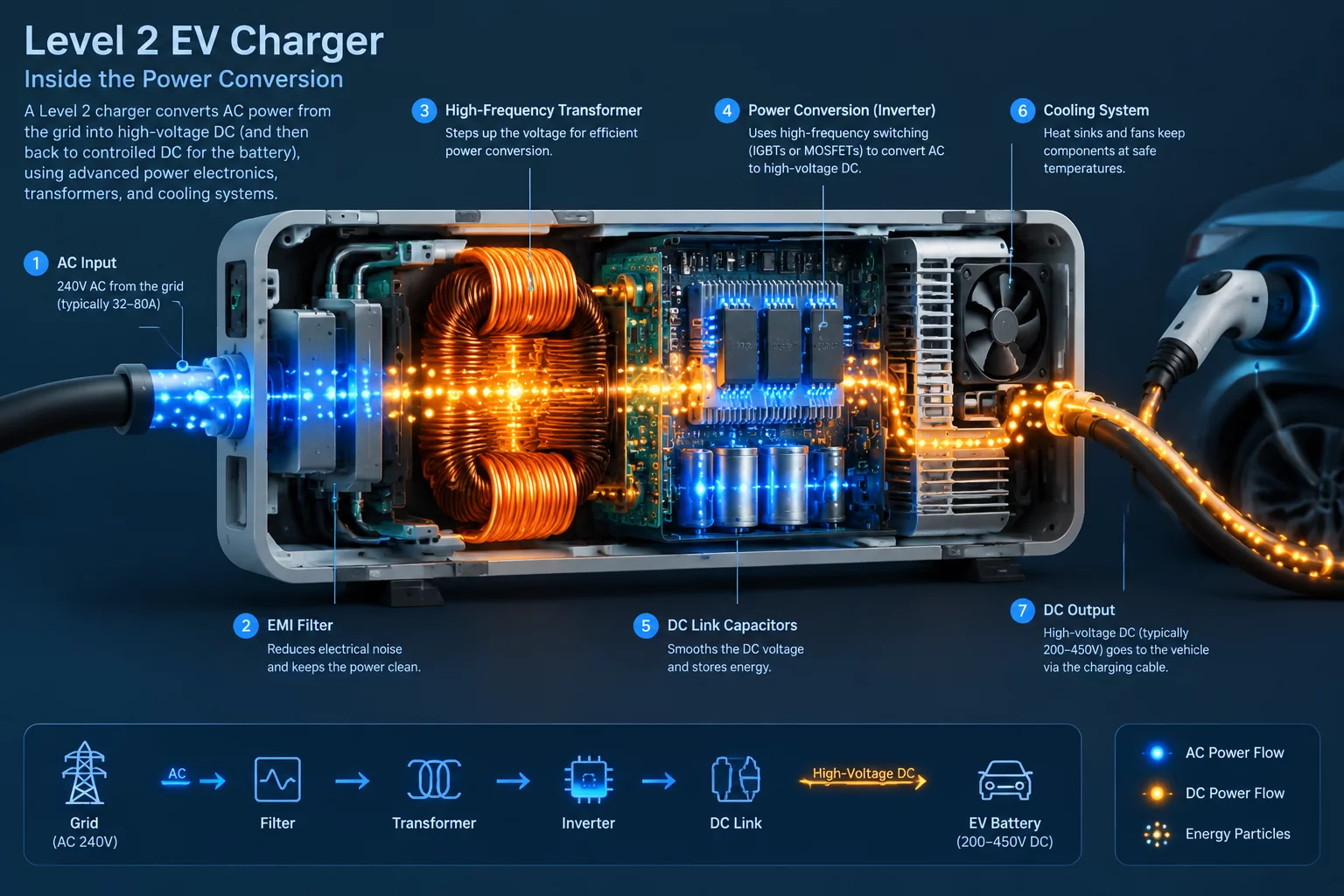 Aug 10, 2026
Comprehensive breakdown of 240-volt charging equipment, amperage demands, and performance expectations for residential applications.
 Aug 25, 2026
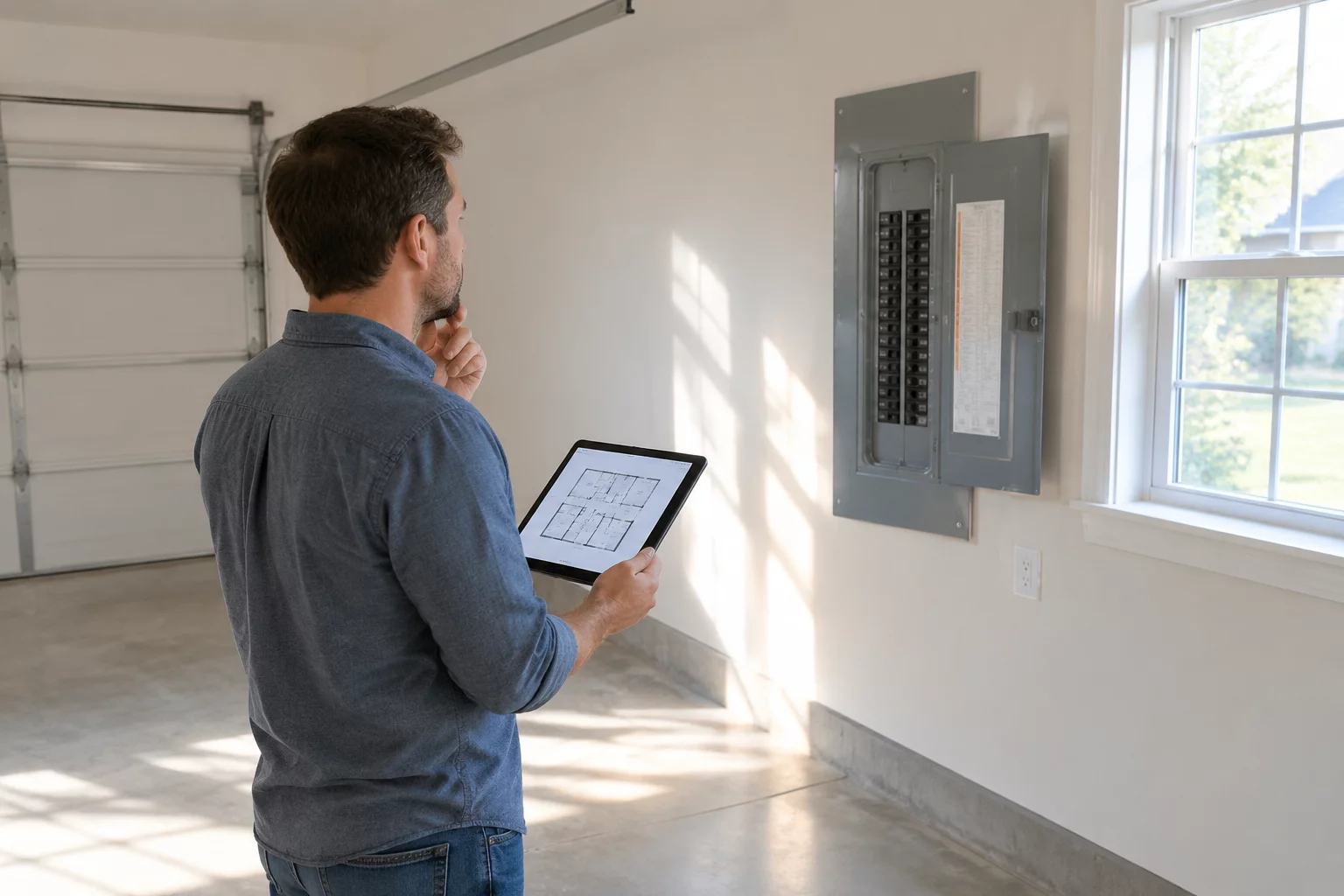
Essential garage assessment checklist, conduit pathways, electrical load estimates, and mounting considerations prior to unit setup.
 Sep 05, 2026
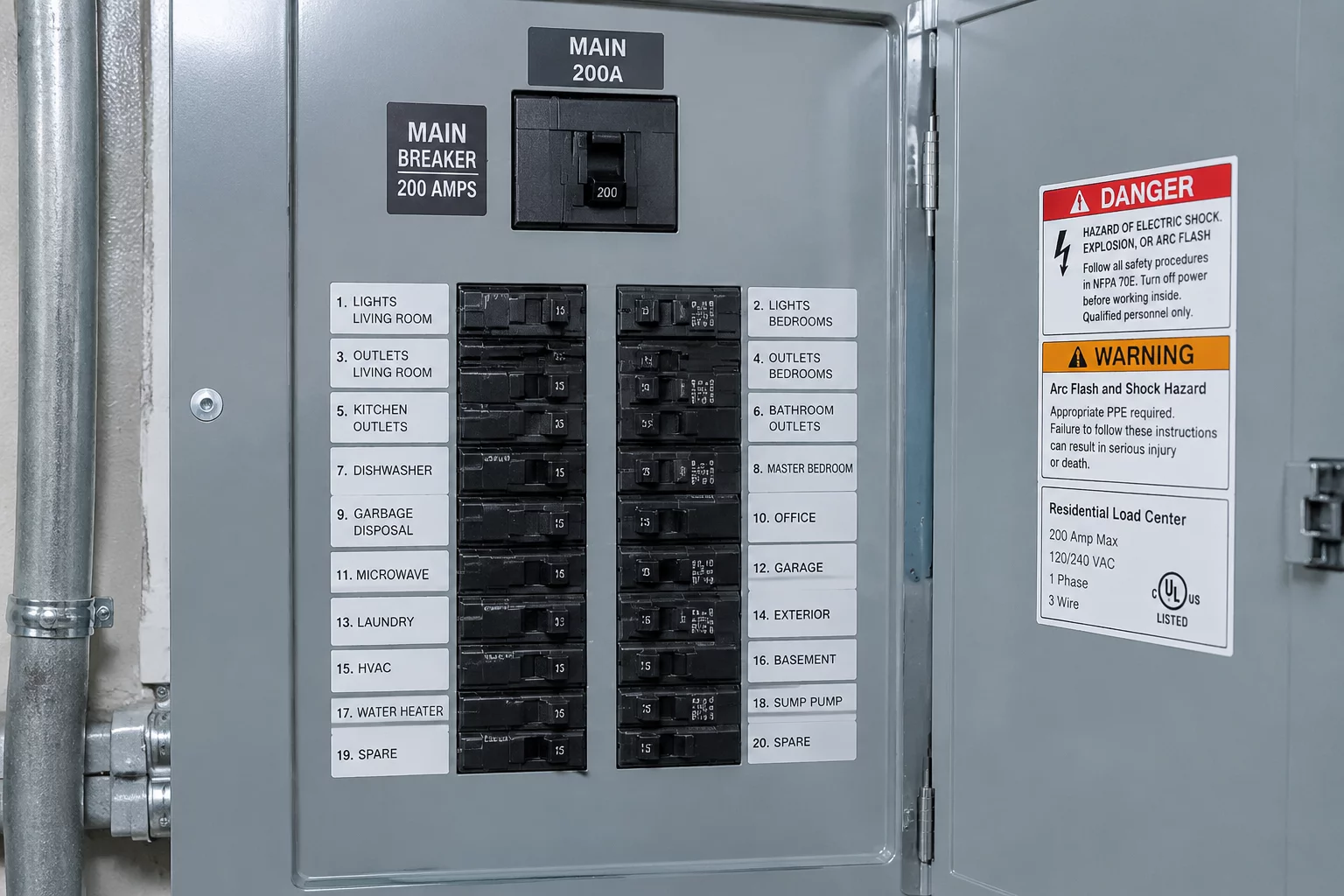
Clear insights on 100-amp versus 200-amp main services, dedicated breaker slots, and subpanel installation fundamentals.