01 The Electrical Anatomy of Charging Velocity
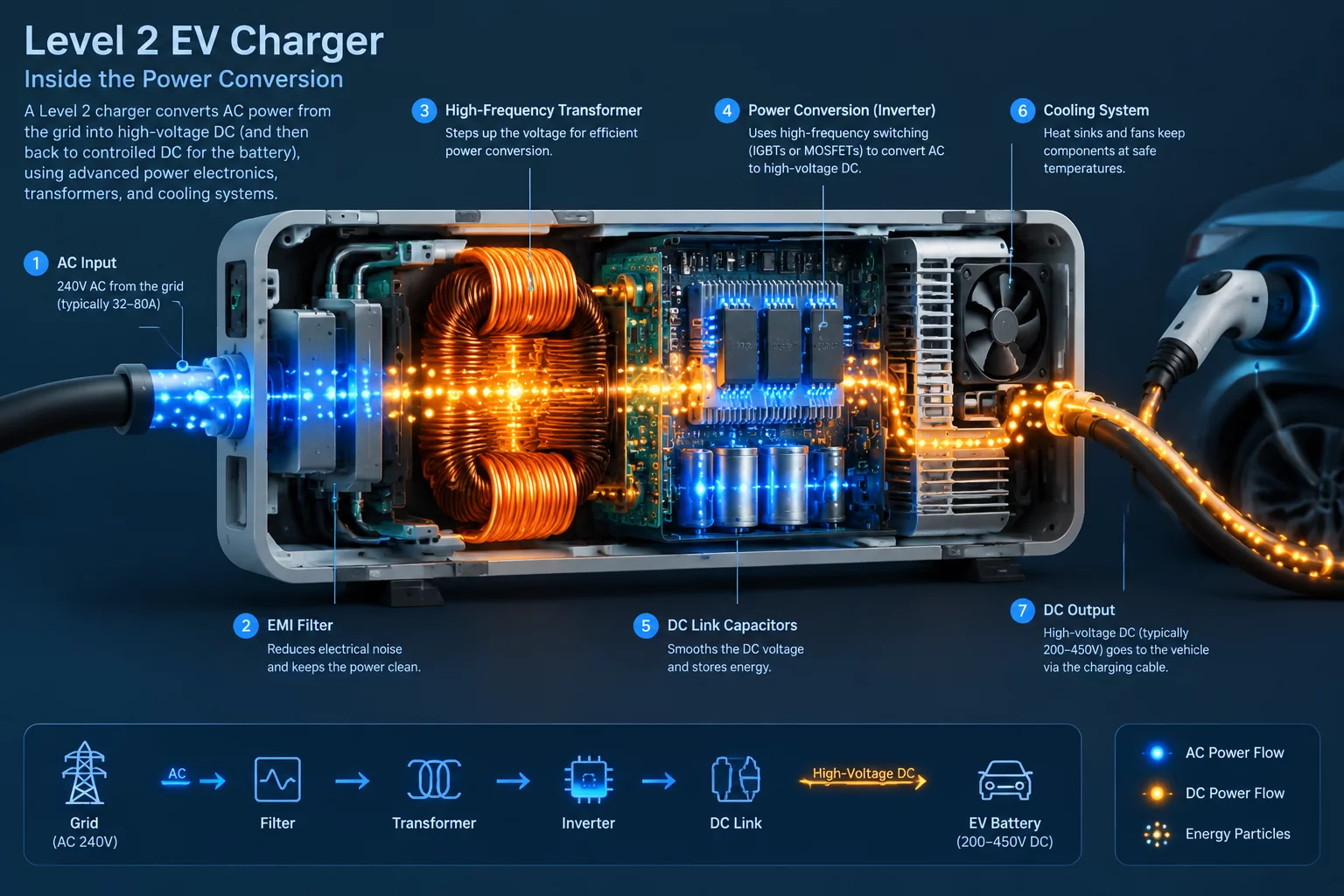
Charging velocity in residential settings is fundamentally dictated by the weakest link in your electrical pathway. Standard 120V household outlets transfer roughly 1.3 to 1.9 kW of energy per hour, adding only 3 to 5 miles of range in that timeframe. By moving to a dedicated 240V split-phase supply, home setups can deliver anywhere from 7.7 kW to 11.5 kW safely, allowing complete depleted-to-full replenishment while you sleep.
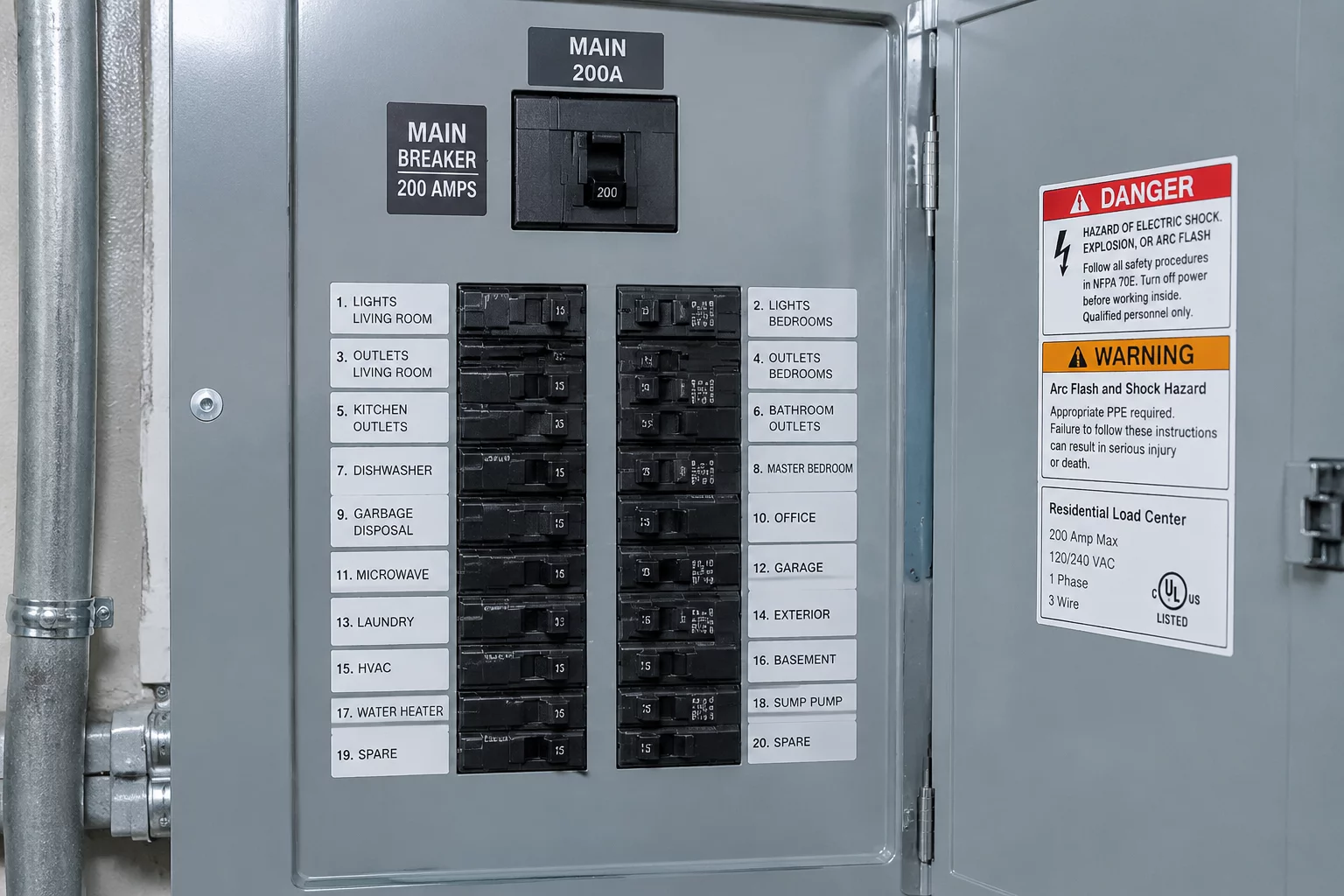
Achieving top speeds requires synchronizing three distinct elements: the on-board charger capacity of your vehicle, the continuous amperage rating of the supply equipment, and the available headspace on your primary distribution breaker. When any single factor is constrained, the charging rate defaults to the lowest common denominator to preserve system safety.
02 Core Efficiency Pillars
Critical Steps for Maximum Output
- Hardwire installation directly onto a 60A breaker allows continuous 48A (11.5 kW) power delivery without receptacle heat losses.
- Pre-conditioning the battery pack via onboard software schedules ensures thermal readiness, preventing throttled charging speeds.
- Heavy-gauge 4 AWG copper conduit runs minimize line voltage drop across long wiring distances between panel and charging connector.
03 Load Calculations & NEC 80% Rule
Under National Electrical Code requirements, an electric vehicle charging station represents a continuous electrical load because it pulls steady current for three hours or longer. Consequently, circuits cannot operate beyond 80 percent of their rated breaker amperage. A common 50-amp branch circuit capped with a NEMA 14-50 receptacle can only deliver 40 amps of sustained current, yielding roughly 9.6 kW.
For owners aiming to unlock the standard residential ceiling of 48 amps (11.5 kW), a 60-amp circuit breaker paired with direct hardwired connections is mandatory. Eliminating plug-and-socket interfaces also removes thermal degradation risks, nuisance ground fault tripping, and mechanical contact friction that commonly slow down or halt overnight recharge cycles.
04 Speed Optimization Guidelines
-
1
Hardwired 60A Dedicated Feed Enables a continuous 48-amp throughput, adding up to 44 miles of range per hour compared to 30 miles on standard 40-amp plug circuits.
-
2
Smart Off-Peak Window Management Scheduling power delivery between 12:00 AM and 6:00 AM avoids residential grid voltage dips, providing clean, steady current during off-peak hours.
-
3
Dynamic Energy Load Balancing Intelligent load management hardware monitors household consumption in real-time, directing maximum available panel power to the vehicle without tripping main breakers.